

Understanding ERP System Integration
Before getting into the details of how ERP integration works, let us understand what ERP means and why it plays an important role in business operations.
What Is ERP?
ERP, or Enterprise Resource Planning, is a software solution that helps businesses manage their core processes through a centralized system.
These basic processes include finances, HR, procurement, inventory, and supply chain management. An ERP system enables businesses to automate tasks, boost productivity, and make decisions based on updated data.
What Is ERP System Integration?
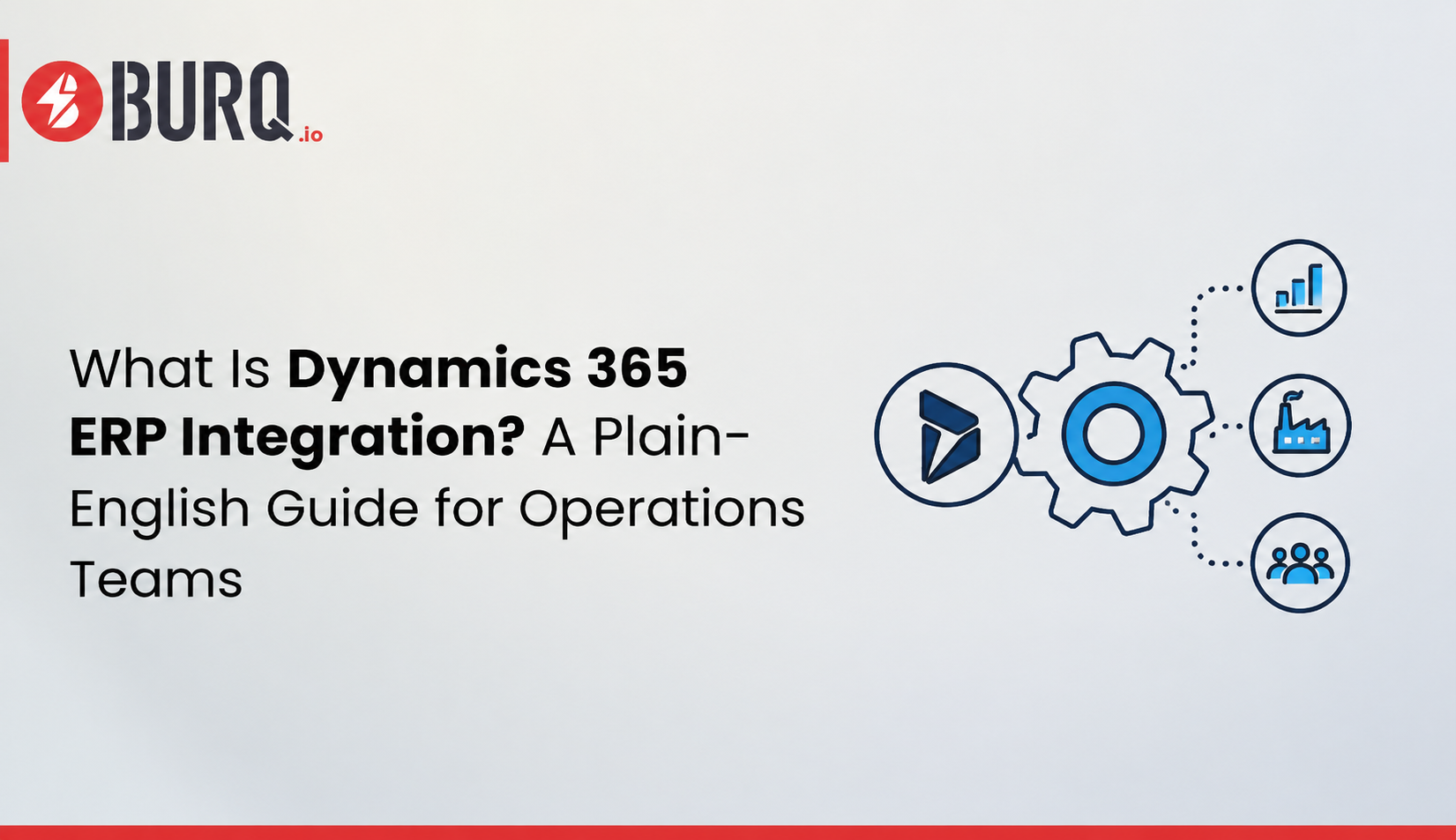
Now you might be wondering, what is ERP system integration? ERP system integration is when you connect your ERP software with other applications to facilitate real-time data sharing between departments.
Businesses that operate without ERP system integrations face data silos, this is when data lies in different locations, and all departments do not have access to the same data.
Hence after the integration, instead of operating in silos, different systems communicate with each other, which results in a coordinated and efficient system.
Why Is ERP Integration Important?
Without a good ERP integration, businesses often face the following issues:
- Data duplication and inconsistencies across multiple platforms.
- Manual data entry, results in a high rate of errors due to human intervention and slows operations.
- Limited visibility makes it difficult to make informed business decisions based on real-time data.
By integrating ERP with other software systems, businesses can simplify and improve their workflows, get rid of redundancies, and improve decision-making.
How ERP System Integration Works
Now that we know what enterprise resource planning integration is, let us have a look at how ERP integration works and the different methods that are used.
Key Components of ERP Integration
A successful ERP integration consists of the following:
- Centralized Database: Having a Centralized Database guarantees that all departments have access to the same and updated information.
- Application Interfaces: Application Interfaces connect multiple software tools to facilitate smooth exchange of data.
- Automation Workflows: Automation of workflows rids you of manual data entry, which is highly prone to error and slow, and speeds up processes.
How Data Flows Between Systems
When an ERP system is integrated, data moves smoothly and automatically between all connected applications. Consider the following example:
- A new sales order in your eCommerce platform updates your ERP system.
- The ERP system then triggers an inventory update and updates the supply chain team about it.
- Then the accounting software updates financial records in real time.
ERP Integration Methods
There are multiple ways to integrate an ERP system with other applications, such as the following:
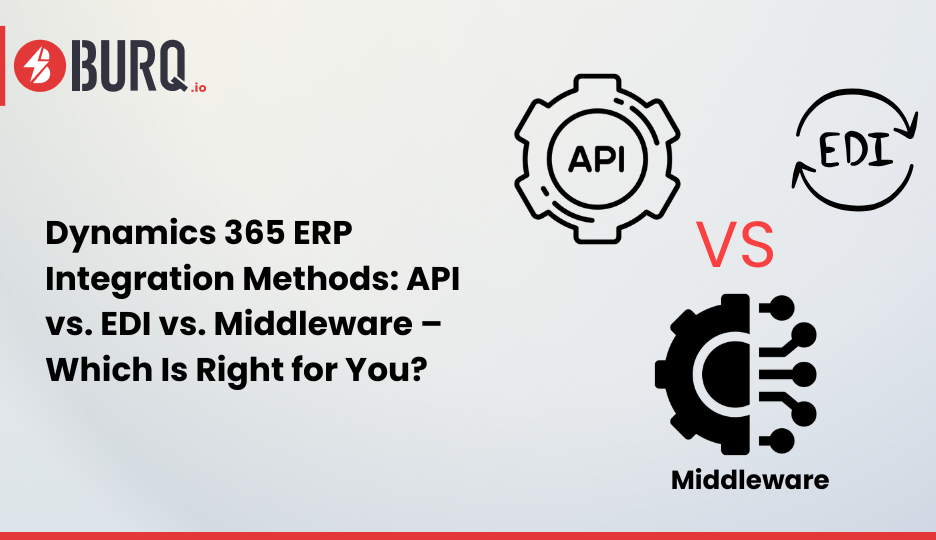
- APIs (Application Programming Interfaces): APIs help and facilitate different software solutions to communicate directly.
- Middleware: A middleware acts as a bridge between applications that can not connect otherwise.
- Custom Coding: This is when personalized solutions are designed to fulfill unique business needs.
Choosing the right method depends on factors such as business size, complexity, and IT capabilities.
Types of ERP System Integrations
Let us now look at the different types of ERP integrations available for you. ERP integrations can be categorized into different types, this categorization is based on the approach and tools used.
Pre-built Integrations
Pre Built Integrations are ready-made connectors that are developed for popular ERP software. They are quick and easy to set up and usually come with vendor support. This makes them a good choice for businesses that want a plug-and-play solution.
Custom Integrations
Due to their unique workflows and industry-specific needs, some businesses require tailored integrations. In such cases, custom integrations provide immense flexibility but also require more time and technical expertise for development.
Third-Party Middleware
Middleware acts as a connector between applications. It helps businesses to integrate multiple systems without needing to build direct connections. This option is best used when you are scaling ERP integration across multiple platforms.
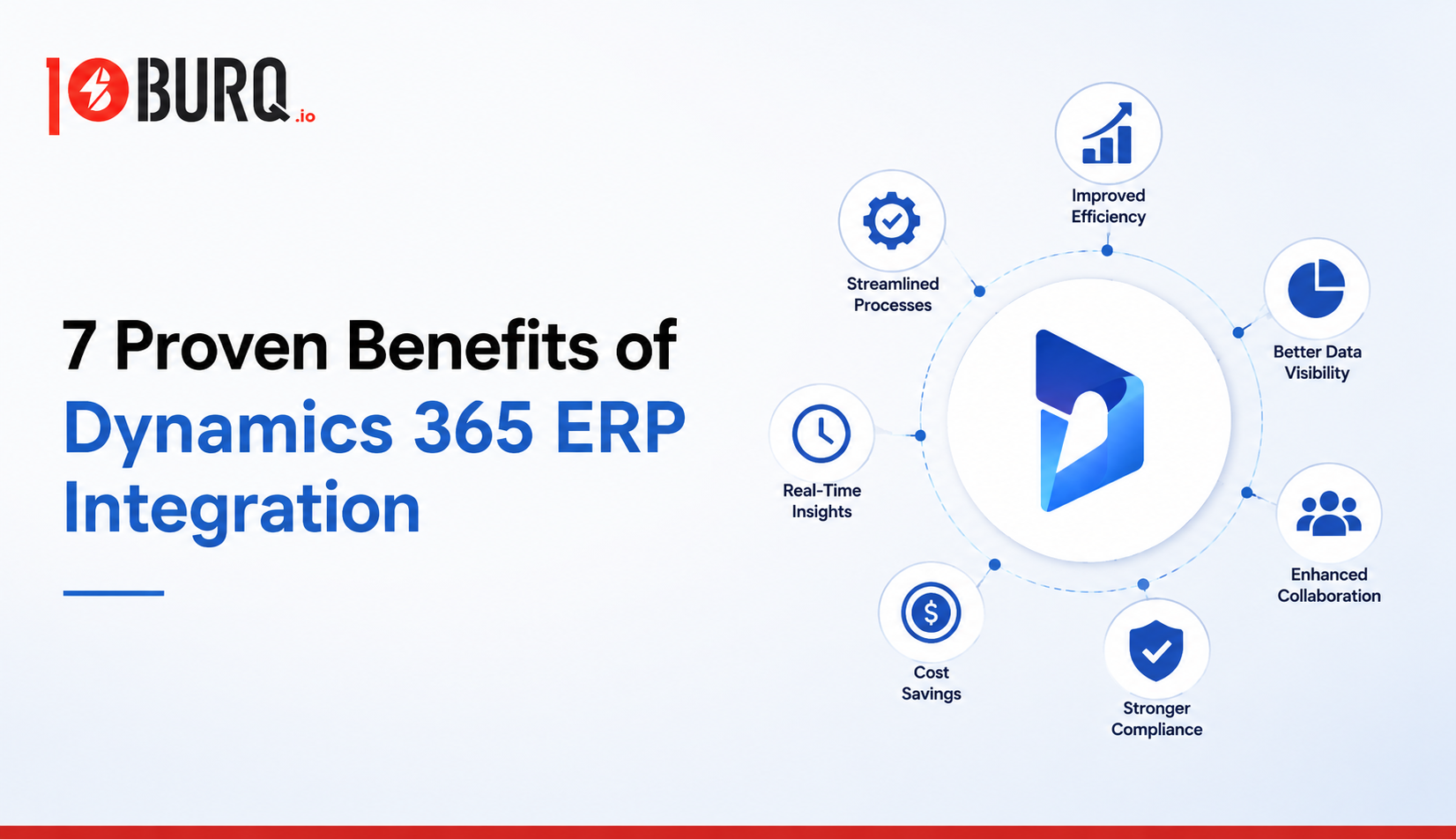
Benefits of ERP System Integration
A well-integrated ERP system can boost and improve business operations. Let us have a look at how:
1. Improved Data Accuracy and Consistency
When there is an integrated ERP system, all departments have access to the same data, this reduces errors that occur due to duplicate or obsolete information.
2. Streamlined Business Processes and Efficiency
Automated workflows rid you of the need for manual data entry. Hence, this speeds up order processing, reporting, and financial transactions.
3. Better Decision-Making with Real-Time Insights
Management can make faster and smarter decisions based on accurate reports since ERP software integration provides them with real-time access to business data. For example, farms using record keeping software for farm management can integrate it with accounting or supply chain modules, giving them full visibility from field operations to financial reporting.
4. Reduced Operational Costs
By automating routine tasks, businesses can save labor costs and prevent any inefficiencies that can result in hefty financial losses.
Common Challenges in ERP Integration
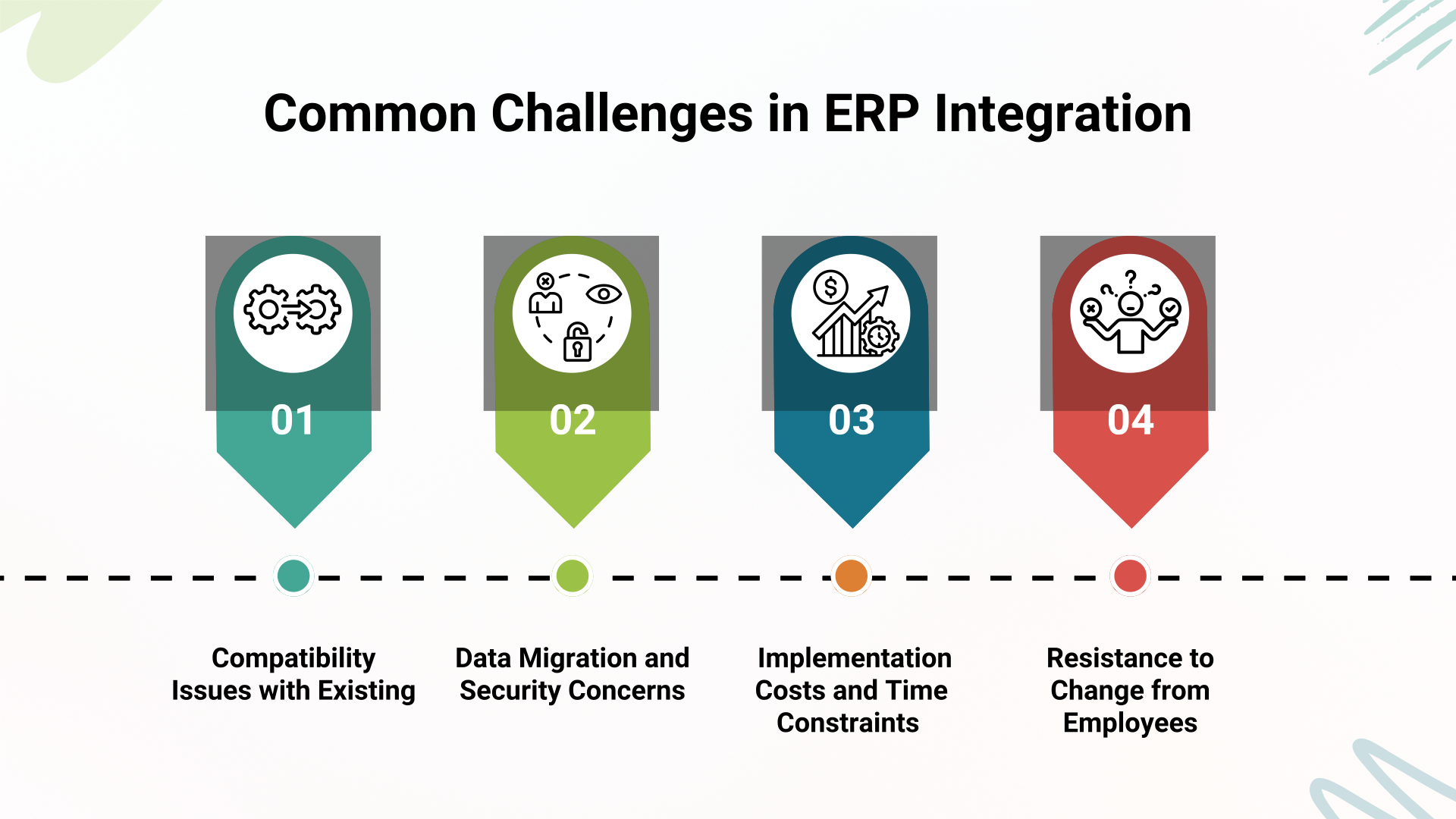 Although there are many benefits of ERP system integration, businesses often face challenges during the implementation process. Let us consider a few common ones:
1. Compatibility Issues with Existing Software
Some legacy systems might not support integration, and require custom workarounds instead.
2. Data Migration and Security Concerns
Moving data from one system to another can be a complex task, and there are security risks involved, like data breaches. These must be carefully taken care of.
3. Implementation Costs and Time Constraints
ERP integration can require a hefty investment. Thus making budgeting a challenge for some businesses.
4. Resistance to Change from Employees
You can face resistance from staff in adopting new systems. To overcome this you will need proper training and change management strategies.
Best Practices for Successful ERP Integration
To beat the challenges above and achieve a smooth ERP integration process, you must follow the following best practices and pro tips:
1. Conduct a Thorough Needs Assessment
Identify which systems need integration and assess your existing business processes to devise the best approach.
2. Choose the Right Integration Method
Decide the best integration method by considering APIs, middleware, or custom coding. This decision is based on your business needs and IT capabilities.
3. Implement Proper Data Security and Compliance
Protection of sensitive business data is a prime concern. You must use encryption, access controls, and regulatory compliance to protect sensitive business data.
4. Work with Experienced ERP Integration Providers
It is always a good idea to partner with experts. This can simplify the integration process, reduce errors, and speed up deployment.
In Summary
In the modern digital landscape, ERP system integration is not an option anymore, rather it has become a necessity for businesses seeking to improve efficiency and data accuracy.
By integrating ERP with other important applications, businesses can automate their workflows, eliminate errors, and make intelligent decisions in real-time.
Hence if you are eager to go ahead and look for a reliable ERP integration solution, then choosing the right platform can save you time, money, and future.
BURQ iPaaS offers smooth ERP integration solutions designed to help businesses connect applications with a breeze! Visit Burq today to begin your ERP integration journey!